
MaterialCalc
Free Home Improvement Calculators
Estimate concrete yards, bags, cost, and other project materials with fast browser-based calculators built for practical planning.
Most used
Concrete Slab Calculator
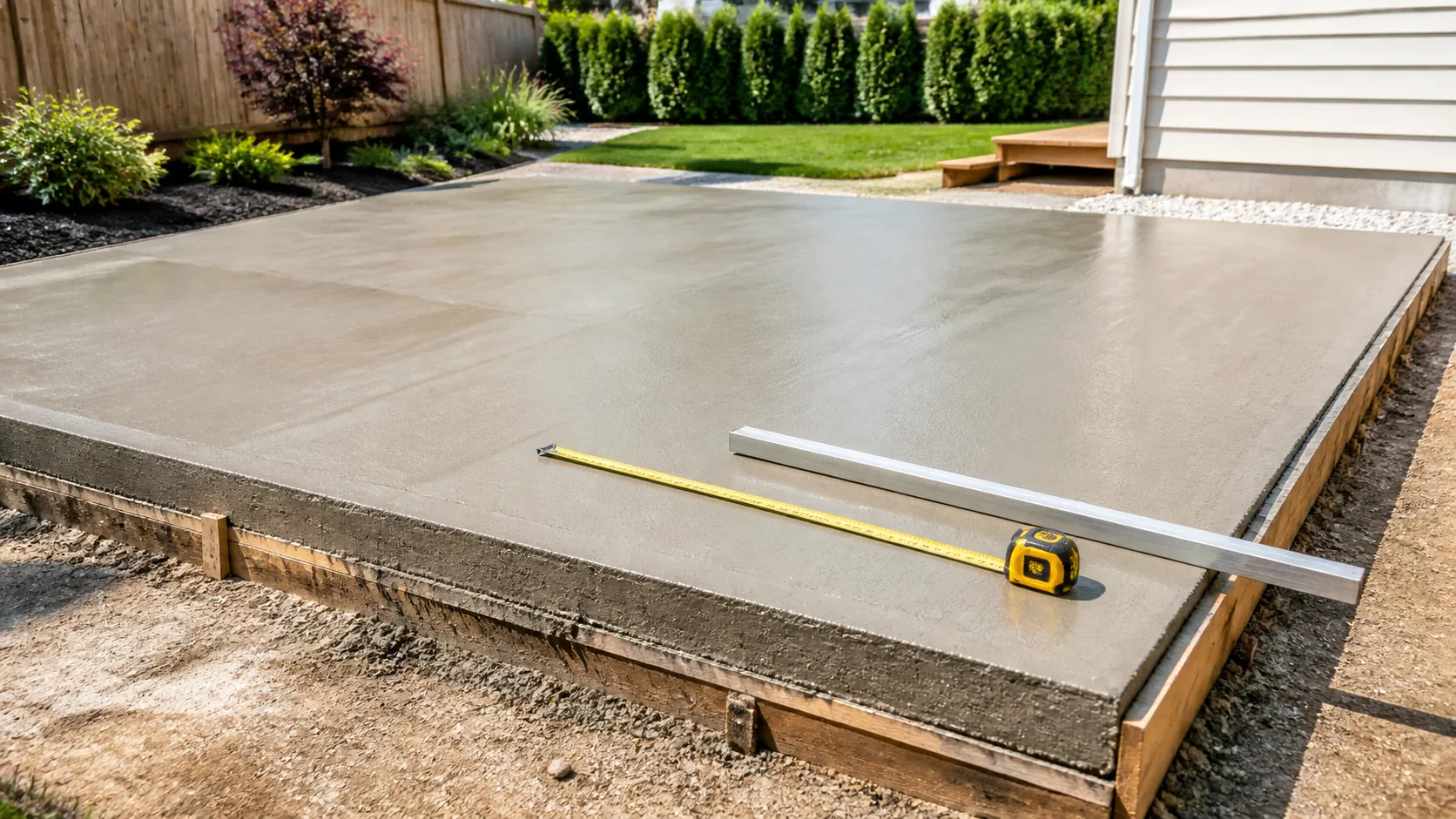
Calculate yards, bags, and material cost for slabs, patios, sidewalks, and garage floors.
Live tools
Concrete calculators ready now
Concrete Calculator
LiveEstimate concrete volume, bags, waste, and material cost for common projects.
Concrete Bag Calculator
LiveFind how many 40 lb, 50 lb, 60 lb, or 80 lb bags of concrete you need.
Concrete Driveway Calculator
LiveEstimate yards, bags, and material cost for driveway projects.
Concrete Footing Calculator
LiveEstimate concrete for rectangular footings and trenches.
Concrete Cost Calculator
LiveEstimate material cost by cubic yard, waste, delivery, and labor.
Projects
Material Calculators by Project
Concrete slab projects
Plan patios, sidewalks, garage floors, shed pads, and other flat concrete work.
Driveways
Estimate concrete yards, bags, waste, and material cost for driveway dimensions.
Footings and trenches
Calculate repeated rectangular footings, grade beams, and trench pours.
Small bagged concrete jobs
Find how many 40 lb, 50 lb, 60 lb, or 80 lb concrete bags your project needs.
Material cost planning
Estimate concrete cost from cubic yards, waste, delivery, labor, and local price.
Categories
Popular Material Calculator Categories
Concrete
Plan slabs, bags, driveways, footings, and material-only concrete cost estimates.
Landscaping
Estimate outdoor materials such as gravel, mulch, and base layers as the library grows.
Paint
Estimate paint coverage from wall area, coats, openings, and product coverage.
Flooring
Estimate flooring quantity from room size, layout, and waste allowance.
Concrete
Concrete Calculators
Concrete Calculator
LiveEstimate concrete volume, bags, waste, and material cost for common projects.
Concrete Slab Calculator
LiveCalculate yards, bags, and material cost for slabs, patios, sidewalks, and garage floors.
Concrete Bag Calculator
LiveFind how many 40 lb, 50 lb, 60 lb, or 80 lb bags of concrete you need.
Concrete Driveway Calculator
LiveEstimate yards, bags, and material cost for driveway projects.
Concrete Footing Calculator
LiveEstimate concrete for rectangular footings and trenches.
Concrete Cost Calculator
LiveEstimate material cost by cubic yard, waste, delivery, and labor.
Popular Concrete Calculator Questions
How do I calculate concrete yards?
Multiply length by width by thickness to get cubic feet, then divide by 27 to convert cubic feet to cubic yards.
How many bags of concrete do I need?
Convert your project volume to cubic feet, divide by the bag yield, and round up. Common planning yields are about 0.30, 0.375, 0.45, and 0.60 cubic feet for 40 lb, 50 lb, 60 lb, and 80 lb bags.
How much does concrete cost per yard?
Concrete cost per yard varies by location, supplier, mix, and delivery requirements. Use your local price per cubic yard for the most useful estimate.
How thick should a concrete slab or driveway be?
Many light-use slabs and residential driveways are around 4 inches thick, but heavier loads, soil, reinforcement, and local code can require different thickness.
What waste factor should I use for concrete?
Many planning estimates use 5-10% extra concrete for waste, uneven ground, spillage, and small measurement differences.
How MaterialCalc Works
Enter project dimensions
Start with length, width, thickness, area, or depth depending on the material calculator.
Choose units and waste
Use practical US or metric units and add a waste factor for cuts, uneven ground, or ordering margin.
Review material estimates
Compare volume, bags, coverage, and material-only cost before you buy or request a quote.
Plan Materials Before You Buy
Use estimates as a planning baseline
MaterialCalc helps you turn project measurements into practical ordering numbers. The goal is to make early planning faster before you buy materials, request supplier pricing, or talk with a contractor.
Estimates are browser-based and material-focused. Local codes, delivery minimums, labor, reinforcement, site preparation, and supplier pricing still need separate review.
Volume
Convert project dimensions into cubic feet, cubic yards, or cubic meters.
Bags and units
Translate volume into common bag sizes or material units when bag planning is useful.
Waste allowance
Add a small margin for cuts, spillage, uneven surfaces, and measurement differences.
Material-only cost
Estimate material cost separately from delivery, labor, taxes, and local fees.
Coming soon
More Calculators
Gravel Calculator
PlannedEstimate gravel volume and coverage for paths, driveways, and base layers.
Mulch Calculator
PlannedEstimate mulch for garden beds by area and depth.
Paint Calculator
PlannedEstimate paint for rooms, walls, ceilings, and trim.
Flooring Calculator
PlannedEstimate flooring material by room area and waste allowance.
Home Improvement Calculator FAQ
What is a material calculator?
A material calculator estimates how much material a project may need from dimensions such as length, width, thickness, depth, or area.
How do I calculate how much material I need?
Choose the calculator that matches your project, enter the project dimensions, select units, and review the estimated volume, coverage, bags, or cost.
Are MaterialCalc calculators free?
Yes. MaterialCalc calculators run in your browser and do not require an account.
Is the concrete calculator accurate?
The calculator uses standard volume formulas and common bag yields. Treat the result as a planning estimate and confirm final ordering with your supplier or contractor.
Do these calculators include labor or delivery?
No. Cost estimates are material-only unless a page clearly states otherwise. Delivery, labor, taxes, equipment, and local fees are separate.
What calculators are coming next?
The live calculators currently focus on concrete. Gravel, mulch, paint, and flooring calculators are planned next.